Webflow
,
Figma
,
The project combined Webflow development and LottieFiles animations to transform a template-based foundation into a polished product marketing website.
region
United States
TIMELINE
2021-2023
Main Technologies
Webflow
,
Figma
,
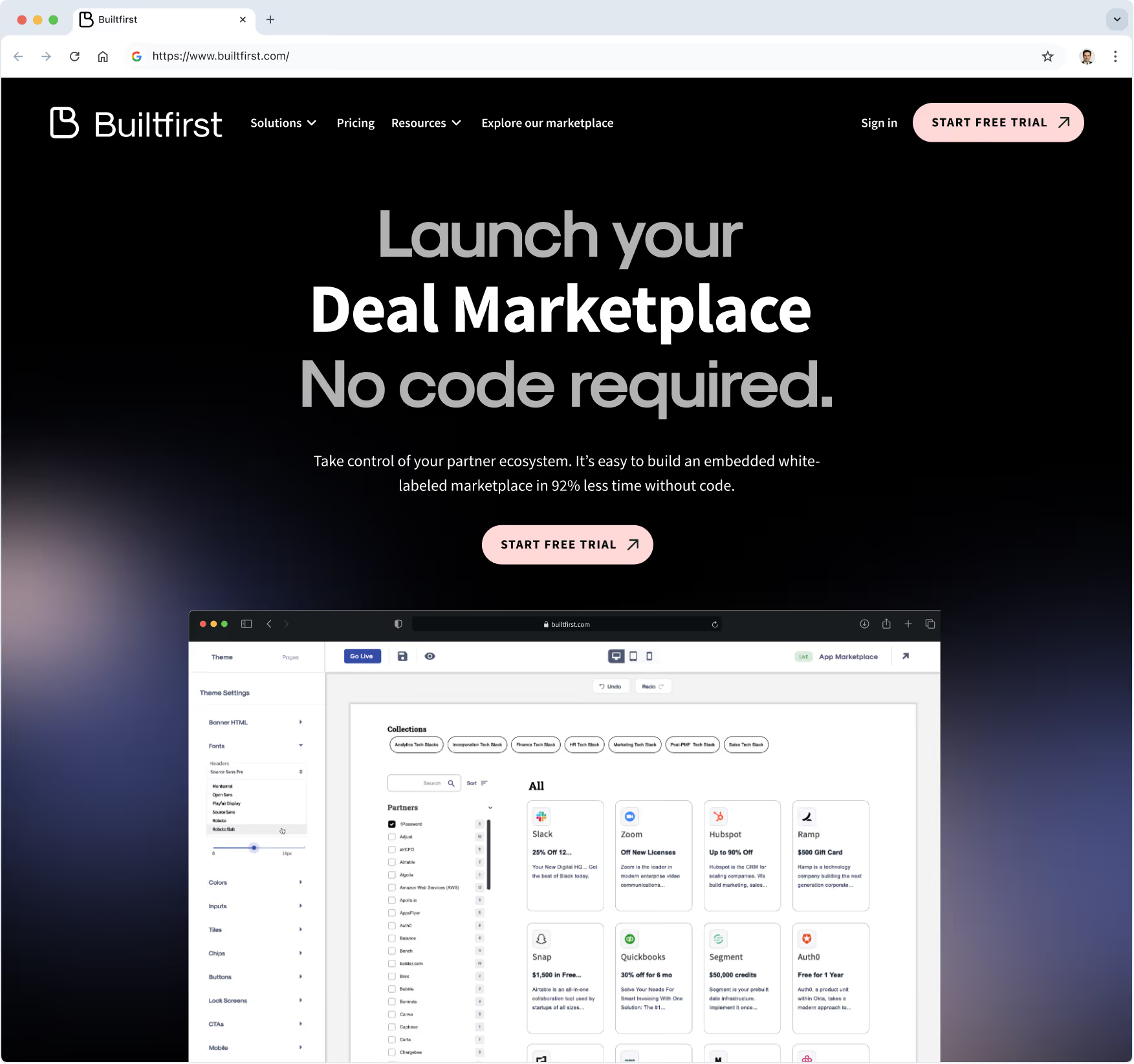
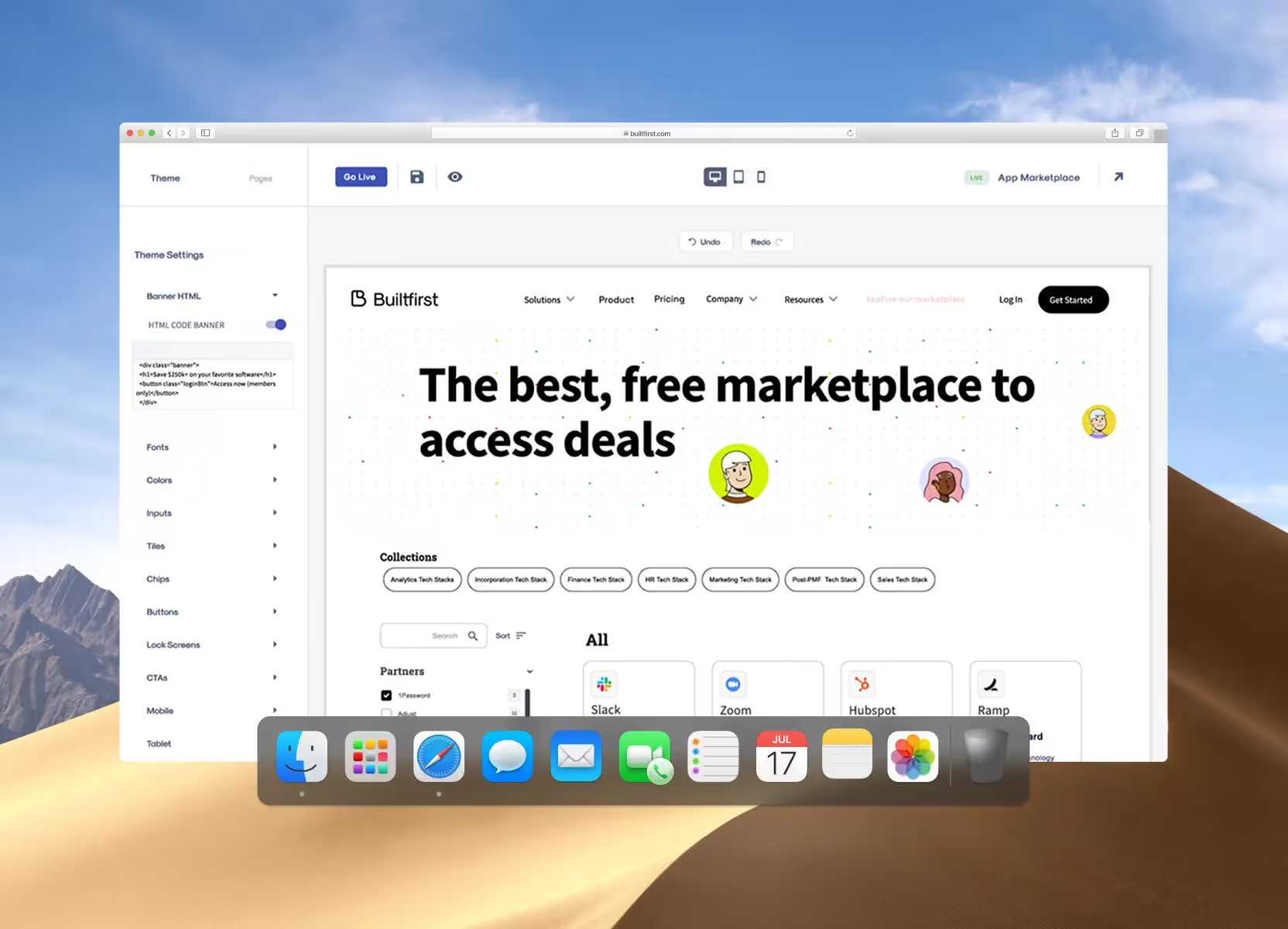
Builtfirst, now part of AppDirect, helps companies offer exclusive software deals and service-provider marketplaces to their communities through a customizable white-labeled platform.
The company needed a new website capable of communicating the maturity of the product and elevating the perception of the platform beyond what their previous website could convey. Our team partnered closely with them to transform an existing design direction into a polished, scalable, and highly interactive Webflow experience.
The client had already started adapting a template-based design system in Figma and Webflow internally. However, turning that foundation into a production-ready marketing website required understanding of Webflow’s capabilities, constraints, and long-term maintainability.
The site needed to:
Rather than designing completely from scratch, the project focused on refining, extending, and productionizing an existing template direction.
We audited the design system, polished layouts and interactions, created new sections and reusable components, structured CMS collections for blogs and customer stories, and completed the SEO implementation inside Webflow.
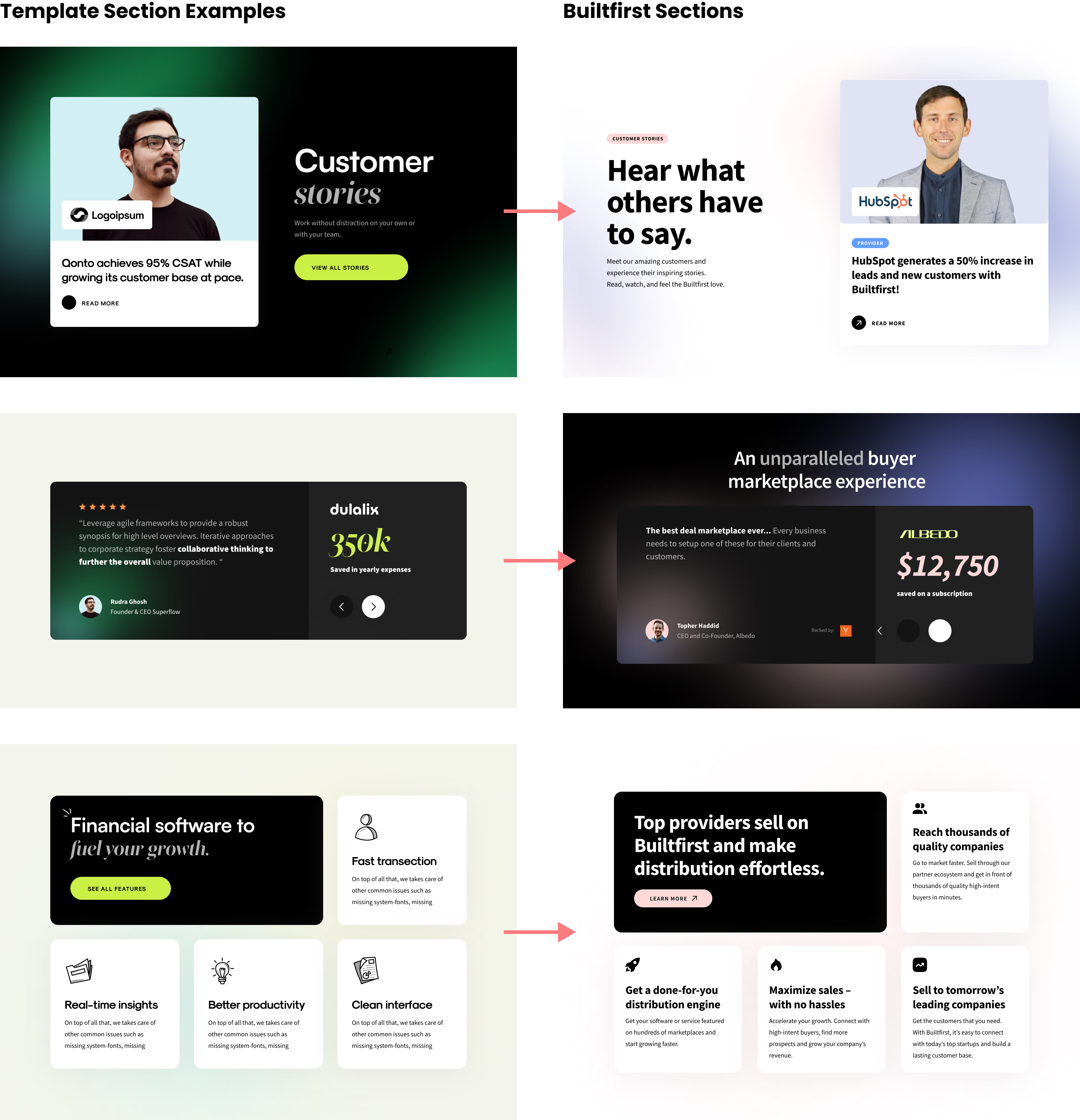
One of the most important parts of the collaboration was helping the client understand which ideas could be achieved natively in Webflow and which ones introduced unnecessary technical overhead. This allowed the team to prioritize solutions that balanced customization with long-term maintainability.
The result was a website that felt highly custom despite originating from a template foundation.
One of the most technically challenging parts of the project was the navigation system.
The website required a mega menu with multiple content sections and a significantly different experience on mobile devices. Instead of using a conventional accordion dropdown pattern, the mobile menu behaved more like a layered navigation experience, where users could enter sub-sections through paginated views and navigate back through dedicated controls.
At the time, there was no native Webflow component capable of handling this interaction pattern out of the box.
Rather than relying heavily on custom code, we developed the experience almost entirely using native Webflow structure, interactions, and animations. This approach required substantial experimentation and problem solving, but aligned with one of the project’s core principles: preserving marketing-team autonomy.
Avoiding unnecessary code dependency meant the client could continue evolving the website internally without requiring engineering support for everyday content management and updates.
Animation played a central role in the new website experience.
The homepage hero featured a large-scale animation designed to showcase the actual product interface with a high degree of visual fidelity. Unlike abstract motion graphics, this animation needed to feel recognizable as the real platform while remaining performant enough for the web.
To achieve this, we built the animations using vector-based workflows across Illustrator and After Effects, then exported them as optimized LottieFiles animations for integration into Webflow.
This process required extensive testing and optimization to balance:
Alongside the primary hero animation, we also developed smaller feature-focused animations that communicated platform capabilities in a more conceptual and lightweight way.
The final result delivered a polished interactive experience while keeping performance considerations under control.
Beyond visuals and interactions, the website was structured to support continuous marketing operations.
We implemented CMS collections for dynamic content such as customer stories and blog posts, helping the client scale content publishing without additional development work.
Because the client’s team was already familiar with Webflow, maintaining a primarily native implementation gave them greater flexibility to iterate quickly, manage content internally, and continue evolving the platform after launch.
This project was also part of a broader ongoing relationship with Builtfirst.
Before this redesign, we had already collaborated with the company through multiple previous website launches, supporting both Webflow development and design audits over time.
That long-term collaboration created a highly iterative workflow with near-daily communication, fast feedback cycles, and a strong level of trust around technical and creative decisions.
While web animation was not originally our primary offering, the project became an opportunity to expand the collaboration further and deliver a more ambitious interactive experience than initially expected.

Discover more in our Low-Code Development capabilities page.